



Physical Therapy
Pediatric Physical Therapy built around your child's real life — gross motor milestones, balance, coordination, and confidence that makes playgrounds, stairs, and family outings feel possible. We work in focused, time-limited programs with a defined goal, measurable progress, and a real endpoint.

A goal-oriented approach to PT
We don't believe in "never-ending" therapy. Growing Gains uses a research-backed, program-based model — your child gets a defined plan, measurable progress, and a real endpoint to their care. Because we're private-pay by design, clinical judgment drives every decision — not the constraints of an insurance policy.
Four steps to
developmental clarity
We replace open-ended, weekly therapy with time-limited programs grounded in motor learning research. Every PT program is built around a defined goal, measurable progress, and a real endpoint — so you always know where your child stands and where they're headed.
Comprehensive PT Evaluation
Every program begins with a thorough look at your child's strength, coordination, balance, and motor milestones. We use standardized testing alongside parent interviews to establish a clear baseline — and a precise, goal-oriented roadmap for your child's next developmental step.
Targeted Program
Children acquire and retain motor skills faster through concentrated, purposeful practice over a defined timeframe. Rather than indefinite weekly sessions, we enroll your child in a program designed to maintain momentum, maximize retention, and prevent therapy burnout. Whether the goal is confident stair-climbing, playground readiness, riding a bike, or stamina for long family days, every program has a defined timeline and a measurable outcome.
Coordinated Leadership
PT doesn't happen in a vacuum. We lead the coordination between your family, your child's teachers, pediatricians, and other specialists — so PT goals like strength, endurance, and motor confidence are reinforced across every part of your child's world.
Reassessment & Next Steps
Every program ends with a formal progress review. From there, we recommend clear next steps — graduation with a home plan, lighter-touch monitoring, or a new targeted program — so you always know where your child stands and what comes next.






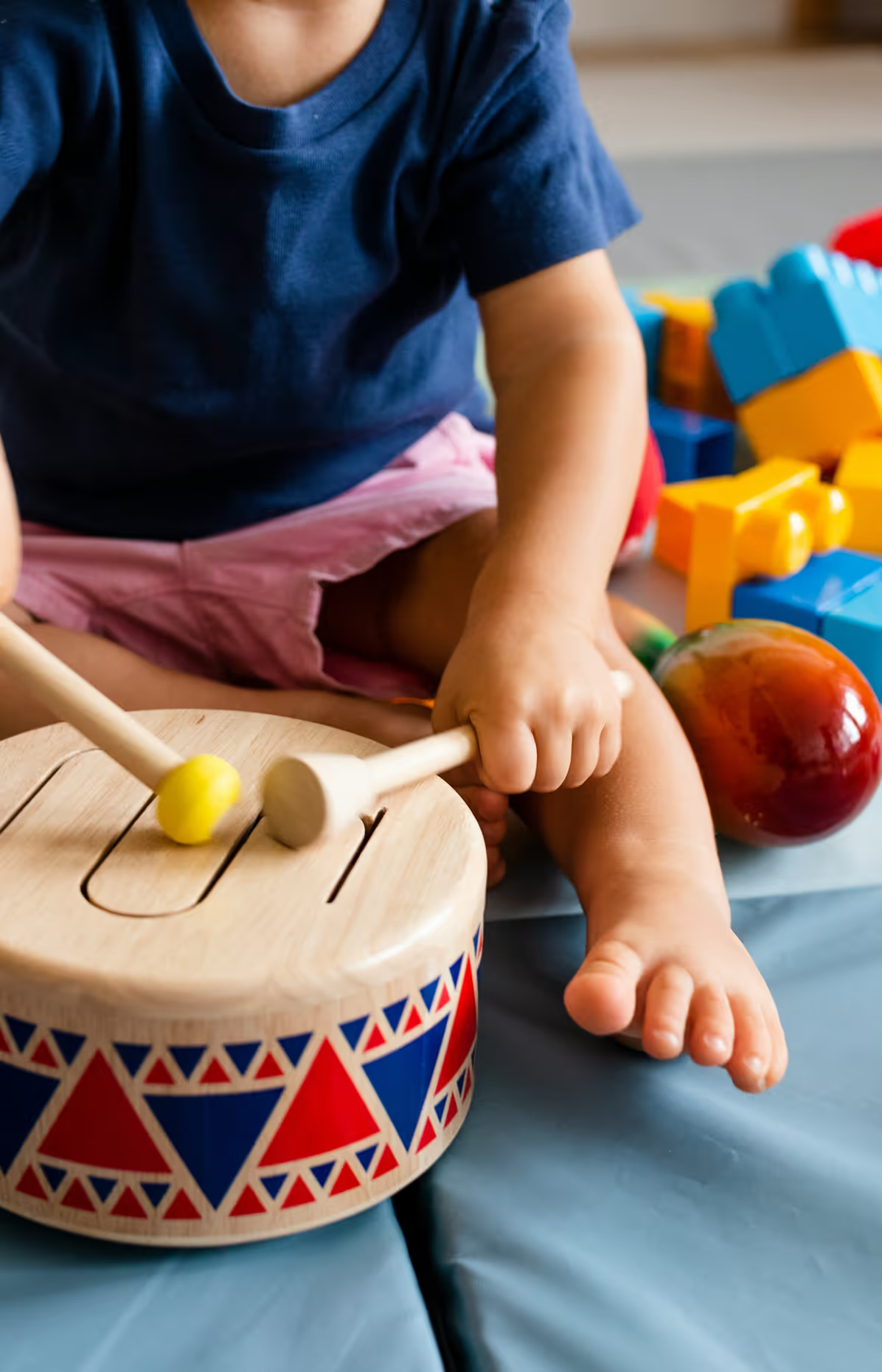



Identifying the need for PT
Many families don't arrive certain that PT is the answer — just that something feels off. If any of these patterns sound familiar, a targeted PT program can provide the clarity your family needs.
The Growing Gains Standard
Real progress happens between sessions — in living rooms, classrooms, and everyday moments. Every Growing Gains program includes the support that makes skills stick where it counts.

Weekly Written
Summaries
A clear recap after every session, so you always know what we worked on and what to practice at home.

Parent
Coaching
Specific strategies and routines that turn your everyday time with your child into real practice.

Direct School
Coordination
We talk to teachers, IEP teams, and specialists directly — one unified plan, actively managed.

Insurance
Support
Detailed superbills ready to submit, so families can recoup a meaningful portion of out-of-network costs.